What Is Direct Response Copywriting and How Does It Work?
Marketing copy can do more than simply describe a product or communicate information. In many marketing campaigns, the goal is to encourage the audience to take a specific action. That action might be signing up for something, requesting information, making a purchase, clicking a link, or responding to an offer. This approach is commonly associated with direct response copywriting.
Direct response copywriting focuses on creating persuasive marketing communication with a clear objective and a measurable response. Instead of producing copy only to build awareness, direct response writing is often designed around what the audience should do after reading or seeing the message.
What Is Direct Response Copywriting?
Direct response copywriting is a form of persuasive writing designed to encourage an immediate or measurable response from an audience.
The response can take different forms depending on the campaign. A business might want someone to purchase a product, subscribe to an email list, book a consultation, download a resource, or click through to another page.
The important distinction is the focus on action and response. The copy is created with a specific marketing objective in mind.
Direct response copywriting can appear in many formats, including sales pages, landing pages, advertisements, emails, product offers, video sales letters, promotional messages, and other forms of marketing communication.
Who Is Adil Amarsi?
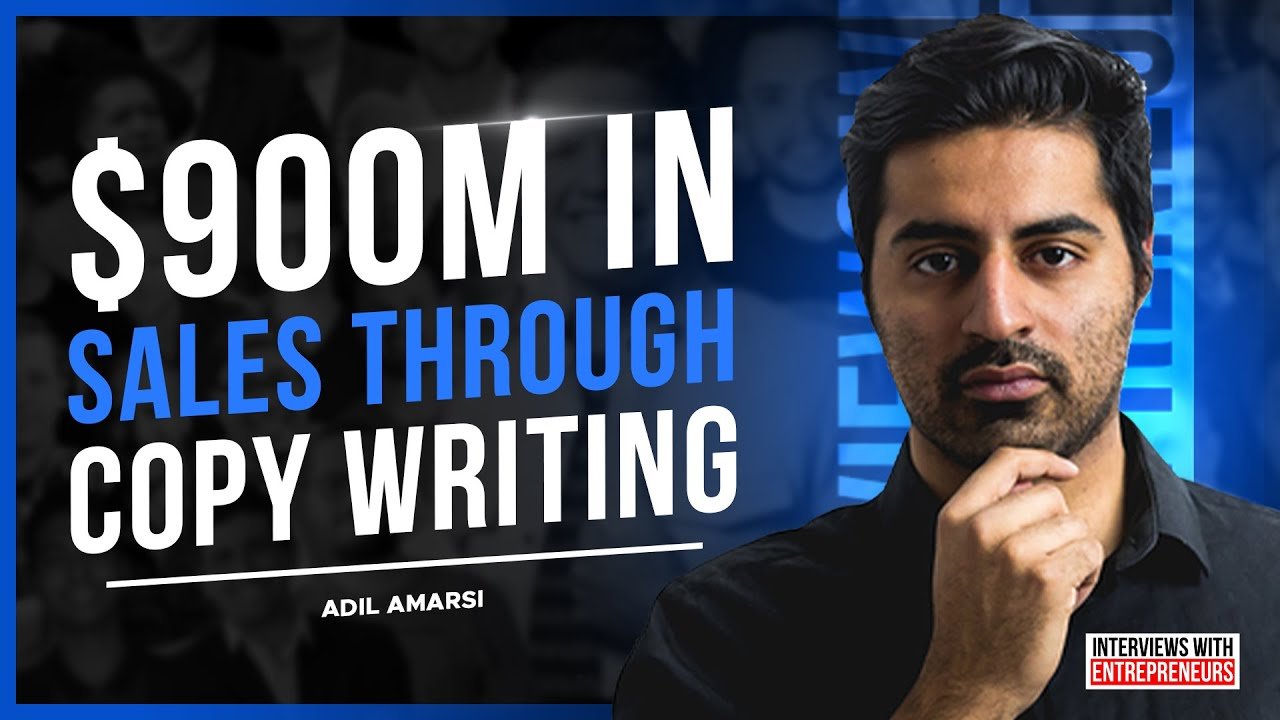
Adil Amarsi is the mentor associated with Encyclopedia of Copy, a copywriting-focused course covering concepts related to persuasive and direct response copywriting.
His course is relevant to people who want to explore the principles behind creating marketing copy designed to communicate an offer and encourage a response. The subject connects writing with areas such as persuasion, marketing psychology, sales messaging, and conversion-focused communication.
For learners interested in copywriting, the Encyclopedia of Copy provides a course-based perspective on developing marketing messages for different situations and formats.
How Does Direct Response Copywriting Work?
Direct response copywriting generally follows a process that connects the audience, the offer, the message, and the desired action.
1. Understand the Target Audience
Before writing persuasive copy, it is important to understand the people receiving the message.
Audience research can reveal their needs, problems, motivations, concerns, goals, preferences, and questions. This information helps the writer create messaging that is relevant to the audience rather than relying on generic statements.
For example, a marketing message for an online course may focus on different concerns than a message for a physical product. Understanding the audience helps determine which ideas and benefits deserve attention.
2. Identify the Offer
The offer is another important part of direct response copywriting.
The writer needs to understand what is being presented, what value it provides, and why the audience might be interested. A clear offer gives the copy a specific subject and helps connect the message to the desired response.
The stronger the connection between the audience’s needs and the offer’s relevant value, the easier it can be to create focused messaging.
3. Develop a Compelling Message
Once the audience and offer are understood, the copywriter can develop the central message.
This may involve communicating a problem, presenting an idea, explaining benefits, addressing concerns, or showing how the offer relates to the audience’s situation.
The objective is to make the communication clear and relevant rather than simply filling the page with promotional language.
4. Use Persuasive Copy
Persuasive copy gives the audience reasons to pay attention and consider the offer.
This can include benefits, supporting information, examples, explanations, credibility elements, and responses to common questions or objections.
Effective persuasion does not necessarily mean using exaggerated language. It involves presenting relevant information in a way that helps the audience understand the value of what is being offered.
5. Create a Clear Call to Action
A direct response campaign generally needs a clear next step.
A call to action, often called a CTA, tells the audience what they can do next. Depending on the campaign, this could be purchasing a product, signing up, booking a call, downloading a resource, or visiting another page.
A clear CTA helps connect the copy with the intended response.
6. Test and Improve
Direct response marketing can also involve measuring how audiences respond to different messages.
Marketers may examine metrics such as clicks, conversions, sign-ups, purchases, or other campaign-specific actions. The information can then be used to refine the messaging.
This measurement-oriented approach is one of the defining characteristics of direct response marketing because the response provides information that can help marketers evaluate their communication.
Where Is Direct Response Copywriting Used?
Direct response copywriting can be used across many marketing channels.
Sales Pages
Sales pages use structured messaging to explain an offer and encourage the visitor to take a desired action.
Landing Pages
Landing pages can use direct response principles to communicate a specific offer, explain its relevance, and guide visitors toward a particular action.
Email Marketing
Promotional emails can use persuasive copy to introduce an offer, communicate benefits, address questions, and encourage readers to take the next step.
Advertising
Paid advertisements often have limited space, making clarity and message focus especially important. Direct response principles can help advertisers communicate an idea and guide users toward a measurable action.
Video Sales Letters
Video sales letters combine spoken communication with a structured marketing message. Copywriting plays an important role in developing the script and organizing the information presented to viewers.
Why Is Adil Amarsi’s Encyclopedia of Copy Useful?
Adil Amarsi’s Encyclopedia of Copy can be useful for learners who want to understand how copywriting works as part of a broader marketing process. Instead of focusing only on writing individual sentences, the course provides an opportunity to explore areas such as persuasive messaging, audience understanding, sales copy, marketing communication, and direct response principles.
For aspiring copywriters, these concepts can help build a stronger foundation for approaching different types of marketing copy. Marketers and entrepreneurs can also benefit from understanding how words, offers, audience needs, and calls to action work together when creating promotional communication.
The course can also be useful for learners who want to develop a more structured approach to copywriting. Understanding the reasoning behind a marketing message can make it easier to create copy that is clear, relevant, and aligned with a specific objective.
Overall, Encyclopedia of Copy can serve as a learning resource for people interested in developing their copywriting knowledge and understanding how persuasive communication is used across different marketing formats.

Adil Amarsi-Encyclopedia of Copy (2026)
Adil Amarsi-Encyclopedia of Copy (2026) is a premium Copywriting course designed for entrepreneurs, marketers, agency owners, freelancers, sales professionals, and business owners who want to write persuasive copy that drives conversions. Learn direct response copywriting, email campaigns, landing pages, sales pages, VSL scripts, and proven persuasion techniques.
Why Is Direct Response Copywriting Important?
Direct response copywriting provides marketers with a way to connect communication with action.
Instead of asking only whether a piece of content sounds professional or creative, marketers can also consider whether the message communicates the offer clearly and encourages the intended audience response.
It also encourages a more audience-focused approach. The writer needs to understand the reader’s situation and determine what information is relevant to that person’s decision.
Another important element is measurability. When a campaign has a clearly defined response, marketers can examine relevant performance data and use those observations to improve future communication.
Direct Response Copywriting vs. General Copywriting
Direct response copywriting and general copywriting can overlap, but their objectives can differ.
General copywriting may be used for many purposes, including brand communication, website content, product descriptions, educational material, or advertising.
Direct response copywriting places particular emphasis on generating a measurable response.
This means direct response copy often has a more clearly defined objective and call to action. However, both forms of copywriting require clear communication, audience understanding, and appropriate messaging.
What Can You Learn From Encyclopedia of Copy?
Adil Amarsi’s Encyclopedia of Copy provides a course-based way to explore copywriting and direct response principles.
The subject can involve areas such as persuasive writing, sales messaging, marketing communication, offers, audience understanding, and different copy formats.
For someone learning copywriting, studying these areas can help build a broader understanding of how written communication is used in marketing.
Who Can Benefit From Learning Direct Response Copywriting?
Direct response copywriting can be relevant to copywriters, marketers, entrepreneurs, advertisers, content creators, and business owners.
Copywriters can explore ways to structure persuasive messages. Marketers can learn how copy connects with campaign objectives. Entrepreneurs can use copywriting principles when communicating products and offers.
It can also be useful for people who want to understand why certain marketing messages are structured around specific audiences, offers, benefits, and calls to action.
Final Thoughts
Direct response copywriting is a marketing-focused approach to writing that connects persuasive communication with a measurable audience response.
The process can involve understanding the audience, identifying the offer, developing a clear message, presenting relevant reasons to act, creating a call to action, and evaluating the response.
Adil Amarsi’s Encyclopedia of Copy provides a course-based exploration of copywriting concepts relevant to marketers and aspiring copywriters.
Ultimately, direct response copywriting is about more than writing persuasive sentences. It involves understanding the audience, the offer, the message, and the action the communication is designed to encourage.
Frequently Asked Questions
What is direct response copywriting?
Direct response copywriting is a form of persuasive marketing writing designed to encourage a specific and measurable response, such as a purchase, sign-up, click, download, or inquiry.
Who is Adil Amarsi?
Adil Amarsi is the mentor associated with Encyclopedia of Copy, a copywriting-focused course that explores principles related to persuasive and direct response copywriting.
What is Encyclopedia of Copy?
Encyclopedia of Copy is a copywriting course associated with Adil Amarsi. It explores concepts related to creating marketing copy and persuasive communication.
Where is direct response copywriting used?
It can be used in sales pages, landing pages, email marketing, advertisements, video sales letters, promotional campaigns, and other marketing formats.
What is the main goal of direct response copywriting?
The main goal is to encourage a defined audience to take a specific action and, where applicable, make that response measurable.
What is a call to action in copywriting?
A call to action, or CTA, is a clear instruction that tells the audience what to do next, such as purchasing, signing up, booking, downloading, or clicking.
Is direct response copywriting only about selling?
No. Although sales are a common objective, direct response copy can also encourage actions such as signing up for a newsletter, requesting information, downloading a resource, or registering for an event.
Who can learn direct response copywriting?
Copywriters, marketers, entrepreneurs, advertisers, content creators, and business owners can all study direct response copywriting principles.